The Influence of Cognitive Biases on Gambling Behavior
Cognitive biases play a significant role in shaping the strategies players employ in casinos. Many gamblers fall prey to a variety of biases, such as the illusion of control, where they believe they can influence the outcome of games of chance. This belief often leads to strategies that may seem rational to the player but are ultimately flawed. For instance, a slot player may think that a machine is “due” for a payout after a losing streak, creating a false sense of security when choosing where to play. In this context, exploring online pokies offers insights into various strategies that might be misleading.
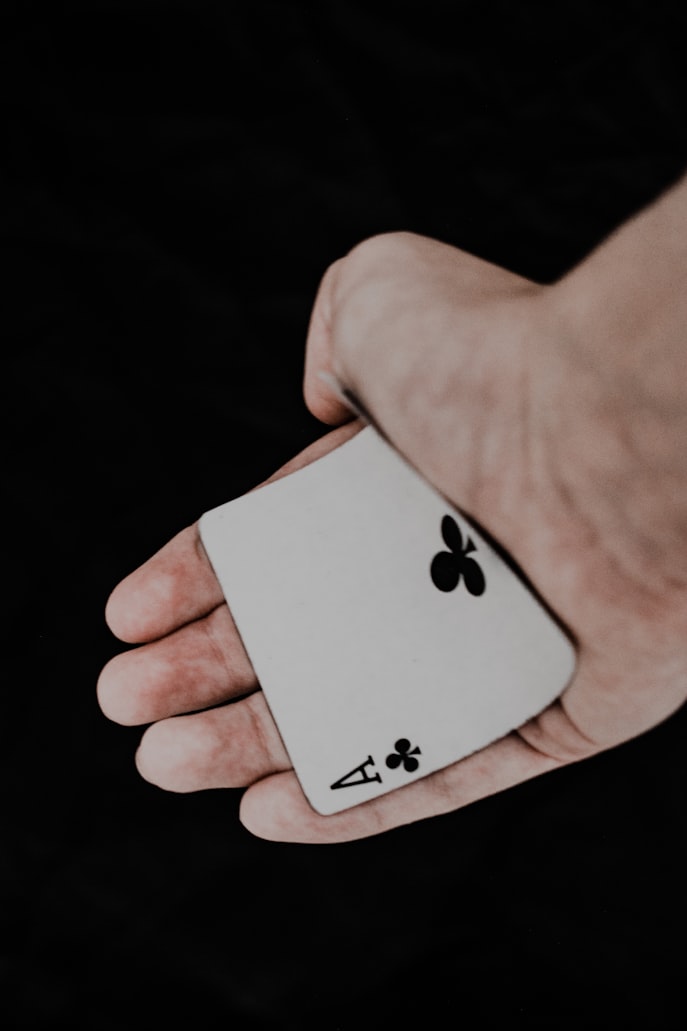
Another cognitive bias that affects gambling strategies is the gambler’s fallacy, which is the erroneous belief that past events influence future outcomes in independent events. For example, a player might assume that because red has appeared several times in a row on a roulette wheel, black is “due” to hit next. These mental shortcuts can heavily influence betting patterns and decision-making, often leading to irrational behavior and increased losses.
The Role of Emotion in Gaming Decisions
Emotional responses also have a profound impact on gambling strategies. When players win, the emotional high can lead to riskier behavior, prompting them to increase their bets or engage in more aggressive strategies. Conversely, after a loss, players may feel frustration or disappointment, which can lead to chasing losses—betting more in an attempt to recover what was lost. This emotional rollercoaster can cloud judgment and lead to decisions that deviate from rational strategy.
Moreover, casinos are designed to amplify these emotional experiences. The sounds of winning, the visual stimuli, and the atmosphere create an environment that heightens excitement and can easily lead players into adopting impulsive strategies. Recognizing this emotional influence is crucial for players seeking to develop sound gaming strategies that are less affected by fleeting feelings.
Social Factors and Group Dynamics
Social interactions and group dynamics significantly influence gambling strategies as well. Players often observe the behavior of those around them—whether in a physical casino or online—adopting strategies based on peer actions. This can lead to groupthink, where individuals feel pressured to conform to the strategies of others, even when they may not align with their personal understanding of the game. Understanding the dynamics of such social pressures is essential for effective gambling.
Additionally, the social aspect of gambling can foster a sense of community and shared experience, which can be positive but may also lead to poor decision-making. Players may find themselves influenced by the excitement of others, leading to a tendency to engage in riskier betting behaviors. Furthermore, recognizing the effects of social dynamics allows gamblers to make more informed decisions about their gaming strategies.
The Impact of Environment on Betting Choices
The environment in which one gambles significantly affects decision-making processes and strategy formulation. Factors such as lighting, noise, and even the layout of a casino can alter a player’s perception of risk and reward. Bright lights, enticing sounds, and the overall ambiance create a stimulating environment that can cloud objective judgment, often leading to impulsive betting decisions.
This environmental influence extends to online gaming platforms as well. The design of these sites, including graphics, sound effects, and even promotional offers, can affect how players engage with games and formulate strategies. Understanding how environmental factors shape gambling behavior is essential for developing strategies that are based on rational thought rather than emotional or environmental triggers.
Enhancing Skills and Strategies with Educational Resources
For those looking to understand and improve their gaming strategies, educational resources from platforms like New Horizons Learning Centres can be invaluable. By providing a comprehensive range of courses, individuals can enhance their knowledge of the psychology behind gambling and develop strategies that integrate an understanding of cognitive biases, emotional influences, and environmental factors.
Investing in education allows players to become more self-aware of their tendencies and better equipped to make informed decisions at the casino. Whether aiming to refine personal gameplay or develop a deeper understanding of gaming psychology, these courses serve as a practical resource for aspiring gamblers and seasoned players alike.